


Creating a home is about more than choosing the perfect design or location. The way a home is planned, organised, and maintained can influence comfort, productivity, and overall well-being. This is where Vastu Shastra for House comes into the picture.
Based on ancient Indian architectural principles, Vastu Shastra focuses on creating harmony between nature and the built environment. While modern homes have evolved in design, many homeowners still rely on these time-tested principles to create spaces that feel peaceful and balanced.
Whether you’re planning a new home, renovating an existing one, or simply looking to improve the energy within your living space, these practical guidelines can help. Consulting an experienced Vastu Consultant for Home can also provide personalised recommendations based on your property’s layout and your family’s needs.
Why Vastu Shastra Still Matters Today
Modern architecture prioritises aesthetics and functionality, but Vastu Shastra adds another dimension by encouraging balance between natural elements, sunlight, airflow, and spatial planning.
Many homeowners choose Residential Vastu to:
- Create a positive living environment
- Improve natural light and ventilation
- Support peaceful family relationships
- Make better use of available space
- Enhance overall comfort and well-being
Rather than replacing architectural design, Vastu complements it with practical planning principles.
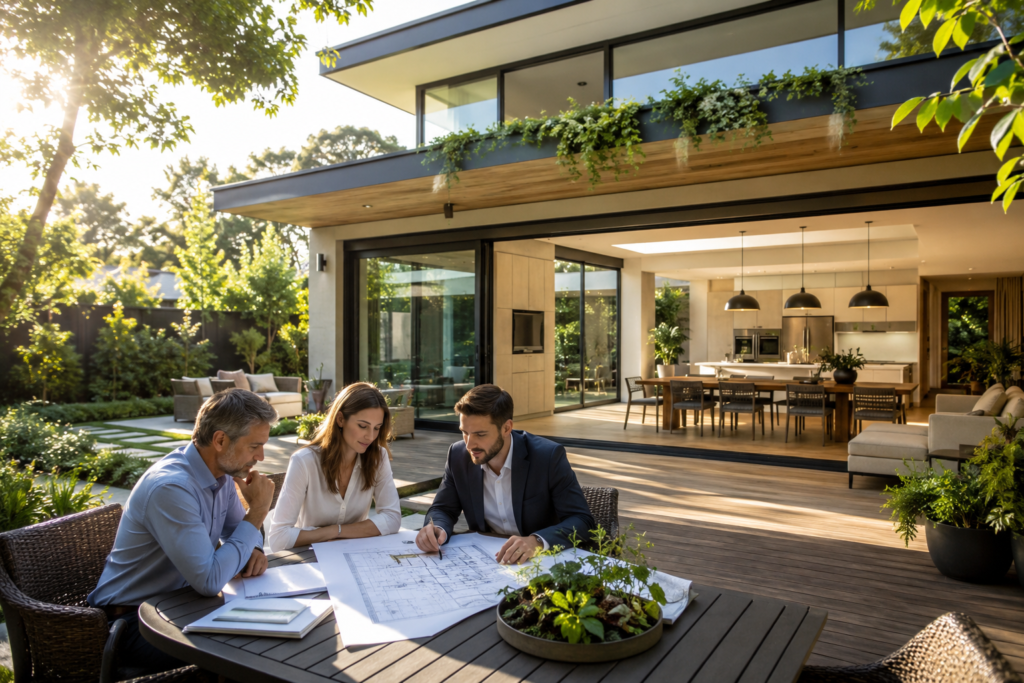
25 Vastu Shastra Rules Every Homeowner Should Follow
1. Choose the Right Plot Orientation
North and east-facing plots are often preferred due to better sunlight exposure and natural energy flow.
2. Keep the Main Entrance Clean and Bright
The entrance creates the first impression of any home. Ensure it remains uncluttered, well-lit, and welcoming.
3. Place the Kitchen in the South-East
Traditionally, the south-east direction is associated with the fire element, making it suitable for cooking areas.
4. Position the Master Bedroom in the South-West
This location is believed to offer stability and better rest for homeowners.
5. Avoid Mirrors Facing the Bed
Mirrors reflecting the bed may create unnecessary visual distractions while sleeping.
6. Ensure Proper Ventilation
Fresh air and natural light improve both comfort and indoor environmental quality.
7. Keep the Centre of the Home Open
The central portion should remain as open and clutter-free as possible.
8. Design a Well-Lit Living Room
A bright living room creates a welcoming atmosphere for guests and family.
9. Maintain Clean Water Areas
Bathrooms and water storage should remain clean and leak-free.
10. Use Light Colours
Neutral and earthy tones often create a calming environment.
11. Keep Heavy Furniture in Stable Zones
Position heavier furniture against solid walls whenever possible.
12. Organise Storage Areas
Avoid accumulating unnecessary clutter.
13. Create a Dedicated Prayer or Meditation Space
A quiet corner encourages relaxation and mindfulness.
14. Maximise Natural Sunlight
Morning sunlight naturally brightens indoor spaces.
15. Use Indoor Plants Wisely
Healthy plants improve aesthetics while creating a refreshing atmosphere.
16. Keep Electrical Equipment Organised
Avoid tangled wires and poorly placed appliances.
17. Ensure Proper Drainage
Good drainage helps maintain hygiene and structural health.
18. Avoid Sharp Corners Facing Seating Areas
Rounded layouts often create a softer visual experience.
19. Keep the Dining Area Comfortable
Shared meals strengthen family connections.
20. Maintain a Balanced Colour Palette
Use colours consistently throughout the home.
21. Avoid Structural Imbalance
Well-balanced layouts improve movement and functionality.
22. Prioritise Natural Airflow
Cross ventilation contributes to healthier indoor environments.
23. Use Quality Construction Materials
Strong construction supports long-term durability.
24. Regularly Inspect the Property
Address maintenance issues before they become costly repairs.
25. Seek Professional Guidance
Every property is unique. Working with a qualified Vastu Consultant for Home ensures recommendations are tailored to your home’s design rather than relying on generic advice.

When Should You Consult a Vastu Expert?
Professional guidance can be valuable during several stages of homeownership:
- Before purchasing land
- While designing floor plans
- During renovations
- Before moving into a new home
- When planning room modifications
An experienced consultant evaluates your property’s layout and provides practical recommendations that work alongside modern architectural requirements.
How Residential Vastu Benefits Your Home
While every family’s experience is different, many homeowners appreciate Residential Vastu because it encourages thoughtful planning.
Potential benefits include:
| Aspect | Possible Benefit |
| Layout | Better space utilisation |
| Ventilation | Improved airflow |
| Sunlight | Brighter interiors |
| Organisation | Reduced clutter |
| Comfort | More balanced living environment |
A thoughtfully designed home supports both functionality and comfort. By following these 25 Vastu Shastra rules, homeowners can make informed decisions about layout, organisation, and everyday living. Whether you’re building a new property, renovating an existing one, or seeking guidance for a modern residence, applying the principles of Vastu Shastra for House can complement good architectural design.
For personalised recommendations based on your home’s orientation and layout, consider consulting Aunkar Vastu. Their tailored approach helps homeowners implement practical Vastu solutions that align with modern lifestyles while respecting traditional principles.
Frequently Asked Questions
1. What is Vastu Shastra for House?
Vastu Shastra is a traditional system of architectural planning that focuses on creating harmony between a building, its occupants, and the surrounding environment. It considers factors such as orientation, room placement, natural light, ventilation, and spatial balance to support comfortable living.
2. Why should I consult a Vastu Consultant for Home?
A professional consultant can assess your home’s layout and provide recommendations tailored to your property. This personalised approach is often more practical than relying solely on general guidelines, especially for modern apartments and custom-designed homes.
3. Can Residential Vastu be applied to apartments?
Yes. Many Vastu principles can be adapted for apartments by focusing on room arrangement, furniture placement, natural lighting, ventilation, and maintaining organised, clutter-free spaces.
4. When is the best time to consider Vastu?
The ideal time is before purchasing land or finalising architectural plans. However, Vastu recommendations can also be incorporated during renovations or after moving into an existing home through practical, non-structural adjustments where appropriate.
5. Does following Vastu require major renovations?
Not necessarily. Many improvements involve better space organisation, enhancing natural light, optimising furniture placement, and maintaining a clean, well-ventilated environment. A qualified consultant can recommend solutions that fit your home’s existing design.