

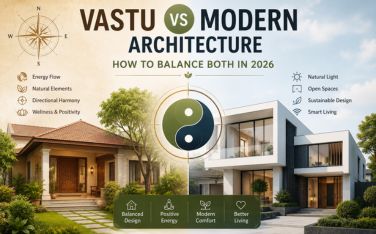
Quick Summary
- Vastu and modern architecture are not enemies; they can actually work together to create healthier, more comfortable homes.
- Modern homes in Australia (Melbourne, Sydney, Brisbane, Adelaide) can follow Vastu‑friendly layouts without losing contemporary style.
- Simple changes such as entrance placement, room zoning, and natural light can balance Vastu with architecture in 2026.
- A professional Vastu consultant can help you blend ancient principles with modern design so your space feels both stylish and calm.
Why Vastu Still Matters in 2026
Many people imagine Vastu as an “old rule book” for houses, but today it is more like a wellness and energy‑design guide. In 2024–2026, global trends in architecture increasingly focus on natural light, fresh air, and human comfort—goals that closely align with Vastu principles.
Modern homes in Australia already use open‑plan layouts, large windows, and energy‑efficient materials; these are great starting points for applying Vastu in modern homes. Instead of choosing between Vastu and modern architecture, you can use Vastu as an “invisible design” layer that supports your lifestyle.
What Is Vastu, Really?
Vastu Shastra is an ancient Indian science of space and energy. It suggests how to place rooms, doors, and even furniture so that air, light, and movement feel more balanced and peaceful.
You don’t need to build a temple‑style house to follow Vastu. For example:
- Preferable locations for entrances and bedrooms
- Better airflow and daylight planning
- Clutter‑free, functional zones
These ideas are easy to adapt to contemporary apartments, townhouses, and villas in Melbourne, Sydney, Brisbane, and Adelaide.
How Modern Architecture Works in 2026
Today’s architecture focuses on:
- Small footprints are used efficiently (important in big cities)
- Large windows and natural cross‑ventilation for comfort and sustainability
- Smart materials, insulation, and indoor air quality standards
In Australia, more homes now include solar‑friendly orientation, light tunnels, and biophilic elements such as indoor plants and green walls. These features feel very modern but already sit on the same “ground” as Vastu principles like natural light orientation and harmony with nature.
Vastu vs Modern Architecture: Key Differences
Below is a simple comparison table to show how classic Vastu ideas translate into modern design thinking.
| Aspect | Traditional Vastu view | How modern architecture sees it |
| Direction of the house | East/north preferred for the main entrance and living | East‑facing for morning sun; north for consistent daylight |
| Room placement | Kitchen in the southeast, bedrooms in the southwest, etc. | Functional zoning (bedrooms away from noise, kitchen near service) |
| Light and air | Large windows on the east and north for light and energy | Daylight harvesting, cross‑ventilation, and passive cooling |
| Relationship with nature | Harmony with land, trees, and cardinal directions | Biophilic design and sustainable landscaping |
| “Auspicious” layout | Based on energy flow and the five elements (earth, water, fire, air, space) | Human‑centric, ergonomic, and easy‑to‑use layouts |
As this table shows, both worlds are trying to create comfortable, healthy living spaces. The difference is mainly in language and presentation, not in core goals.
How to Balance Vastu and Architecture in 2026
You don’t need to rebuild your house to “do Vastu.” Here are practical ways to balance Vastu and architecture in modern homes, especially in Australia.
1. Start with the entrance and flow
A vast majority of Vastu‑friendly homes focus on the entrance because it is the first point of energy coming in. For a modern home in Melbourne or Sydney:
- Choose a clean, well‑lit entrance foyer.
- Keep the entry path straight and uncluttered so people can move in and out easily.
You can still follow this while using sleek glass doors and minimalist lobby designs.
2. Plan the “zones” to match both Vastu and lifestyle
Traditional Vastu divides the house into activity zones: relaxation, work, cooking, and socialising. Modern open‑plan homes in Brisbane or Adelaide can follow the same idea by:
- Keeping the kitchen slightly separate from the main living area (if possible) for better smoke and noise control.
- Placing the bedroom away from noisy or high‑traffic corners.
This helps you balance Vastu and architecture without sacrificing modern aesthetics.
3. Use natural light and airflow the Vastu way
In 2024–2026, studies show that natural light and good ventilation reduce stress and improve sleep and focus. Vastu already recommends:
- More windows in the east and north for soft morning light.
- Bedrooms preferably facing east or south for calm energy.
Modern Australian homes can use light wells, skylights, and sliding doors to meet these ideas while looking modern and stylish.
4. Choose colours and materials that feel calm
Vastu suggests colours and materials that support the room’s purpose. For example:
- Light, warm tones in living rooms for comfort and connection.
- Softer, cooler shades in bedrooms to support relaxation.
In new homes, you can combine this with modern finishes such as neutral walls, wooden floors, and textured wallpapers. This keeps the design contemporary and the energy light.
5. Keep technology simple and clutter‑free
Vastu warns against excessive clutter because it blocks energy flow. Modern homes often struggle with too many gadgets and cables. In 2026, smart homes can still follow Vastu‑friendly habits:
- Clean, hidden wiring
- Simple furniture layouts
- Minimal decor on key surfaces (like the dining table and bedroom floor)
This supports both Vastu for modern homes and clean modern architecture.
Vastu in Australia: Practical Relevance
In Australian cities like Melbourne, Sydney, Brisbane, and Adelaide, many Indian and multicultural families want homes that feel “modern” but still carry familiar energy principles. Architecture in Australia is already moving toward human‑centred, sustainable, and wellness‑oriented designs—exactly what Vastu promotes.
A local Vastu consultant can help you:
- Adjust the layouts of apartments or townhouses where you cannot change the overall orientation.
- Suggest furniture placement, colour schemes, and small design tweaks that respect both Vastu and your architect’s plan.
This approach builds trust and authority, which supports Google’s EEAT (Experience, Expertise, Authority, Trust) guidelines.
Simple Tips for Your Next Home
Whether you are building a new house or renovating an existing one in Australia, you can:
- Sketch a simple floor plan and mark where the entrance, kitchen, main bedroom, and living area sit.
- Ask your architect or designer: “Can we make the main common area receive more natural light from east or north?”
- Avoid turning bathrooms or heavy storage into the main visual focus of the home.
Small, thoughtful adjustments go a long way in helping you balance Vastu and architecture without losing modern comfort.
Why a Vastu Consultant Helps in 2026
A Vastu consultant trained in both traditional Shastra and contemporary architecture can:
- Interpret Vastu principles in a flexible way for your site and climate.
- Work with your architect or builder to tweak layouts, entrances, and room relationships.
- Give you simple, non‑superstitious suggestions that feel practical and scientific.
This is especially helpful for modern homes in Australia, where lot sizes, council rules, and solar orientation vary from city to city.
If your layout can’t be changed (for example, in apartments or rented homes), you can still correct many Vastu‑related issues with simple, non‑structural remedies.
For easy, no‑demolition fixes like furniture placement, colours, mirrors, and crystals, check our guide on Simple Vastu Remedies Without Breaking Walls
Let’s Keep It Simple and Real
Vastu vs modern architecture is not a battle. In 2026, the best homes are the ones that feel:
- Comfortable and easy to live in (modern architecture)
- Calm, light, and positive (Vastu‑inspired energy)
If you want to blend both in your home, offices, or projects in Melbourne, Sydney, Brisbane, or Adelaide, Aunkar Vastu can help you find a balanced, practical solution that fits your lifestyle and design vision.
Looking to balance Vastu and modern architecture?
If you’re designing or renovating a home or office in Melbourne, Sydney, Brisbane, or Adelaide, Aunkar Vastu, one of the best Vastu consultants, can help you integrate Vastu principles in a simple, modern‑friendly way. Book a consultation today and get a clear, practical plan that respects your architecture, budget, and daily life.
FAQs: Vastu vs Modern Architecture
Q: Can I follow Vastu if my house is not east‑ or north‑facing?
Yes. A skilled Vastu consultant can adjust room functions, door positions, and furniture placement so your home still feels balanced, even if the main entrance faces another direction.
Q: Do I need to change my whole house design to follow Vastu?
No. Modern Vastu focuses on small, practical changes such as entrance clarity, room zoning, and clutter control, not on rebuilding everything.
Q: Is Vastu only for Indian‑style homes?
Not at all. Vastu principles about light, air, and zoning fit very well with contemporary apartments, townhouses, and villas in cities like Melbourne, Sydney, Brisbane, and Adelaide.
Q: How can Vastu help in a small apartment?
Vastu‑friendly zoning (sleeping, cooking, working, relaxing) and good lighting make even small spaces feel more spacious and calm.
Q: Can modern architecture ignore Vastu?
Modern architecture can, but blending Vastu often improves comfort, air quality, and energy flow, which many homeowners now value in 2024–2026.
Q: Is Vastu supported by science?
While Vastu is not a strict laboratory science, its emphasis on natural light, ventilation, and organised spaces aligns with architectural and wellness research.
Q: How does a Vastu consultant help modern homes in Australia?
A Vastu consultant tailors Vastu principles to your local climate, site layout, and building style, so you get both modern comfort and energy harmony.